Fish oil refining engineering
Key words:
Classification:
Environmental protection/chemical equipment
Product accessories:

Hotline:
Fish oil refining engineering
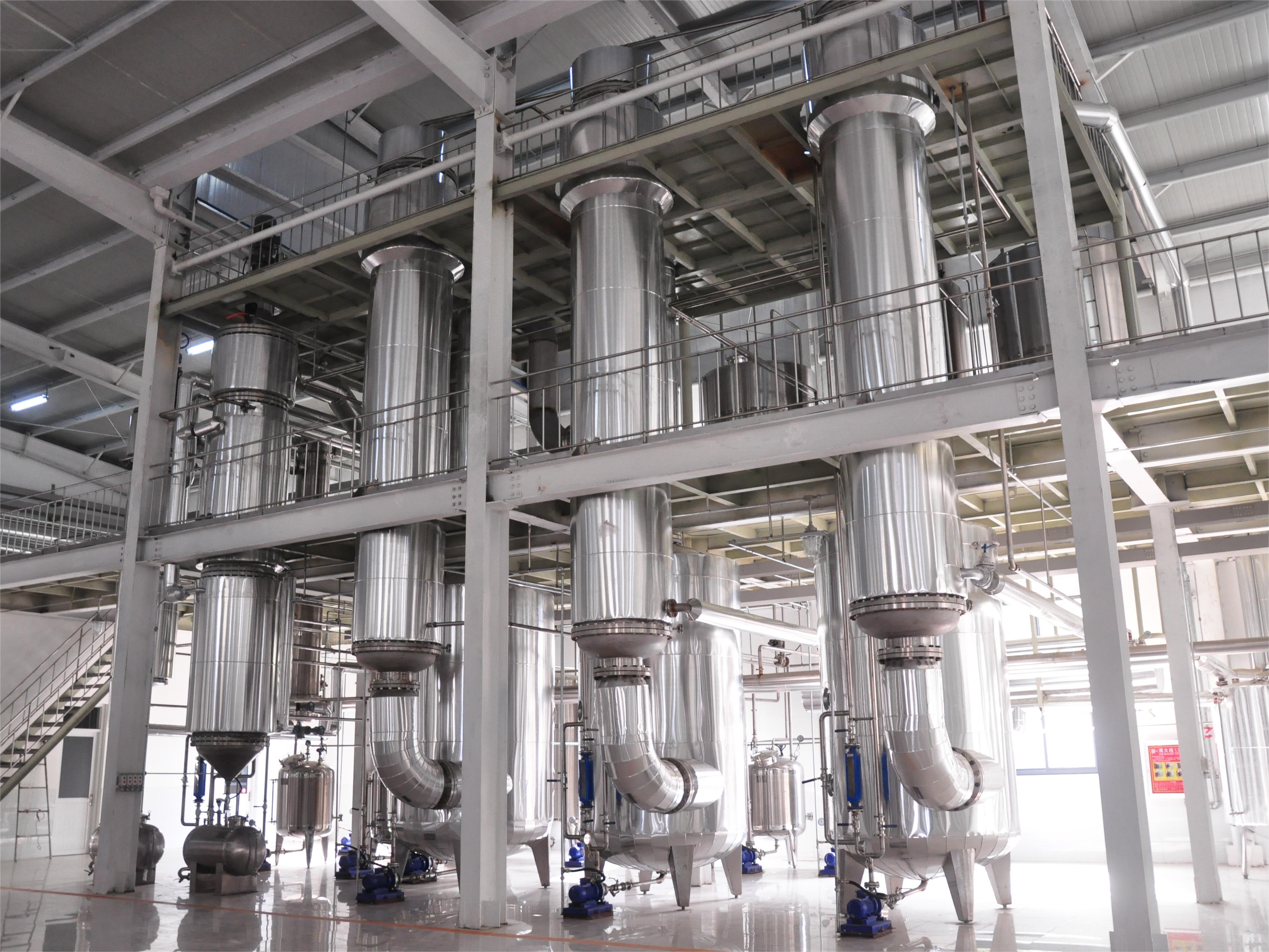
Fish oil refining
Fish oil is an important source of oil, and its unique fat composition (rich in EPA and DHA) is beneficial for enhancing people's physical fitness and health, as well as improving the economic and social benefits of marine fish oil in China. With the rapid development of China's marine industry, in order to comprehensively utilize this rich marine resource,
Our company uses domestic continuous refining equipment to produce refined fish oil. For domestic or imported fish oil, the processing methods are different and the fish species are different. Considering the production of different types of products, the continuous refining process of chemical refining and super degumming physical refining can be used in production.
Technical characteristics and key points of process operation
1. Technical characteristics
① Process selection: For crude oil with poor quality (acid value AV ≥ 8), the super degumming physical refining process should be used. For fish oil with good quality (acid value AV<8), the chemical refining process should be used, with one machine for multiple purposes and flexible application of the process. This significantly improves product yield and meets enterprise standards for product quality.
② Low cost. For fish oil with poor quality, the physical refining process is used, and the amount of clay used for decolorization needs to be half of the usual process. And it saves the amount of alkali used during alkali refining, reducing costs.
2. Key points and instructions for process operation
① Super degumming: According to the 280 ℃ heating experiment without precipitates, it can be learned that the phospholipid content in fish oil is relatively low, within about 1%, but it has a significant impact on other processes, so it must be removed. Because most of them are non hydrated phospholipids, approximately 0.1% phosphoric acid with a concentration of 75%~85% is added in chemical refining, while 0.15%~0.2% phosphoric acid with a concentration of 75%~85% is required in physical refining. The obtained degummed oil has good quality (with a phosphorus content of 10-15mg/kg) and meets the requirements of physical refining.
② Deacidification and alkali addition: Calculate the amount of alkali added (including excess alkali) based on the acid value of the crude oil, with a concentration of approximately 12-14 Baume degrees to ensure continuous, uniform, and stable operation to avoid emulsification and loss of neutral oil.
③ Centrifuge separation: The separation effect is best when the operating temperature is between 85~90 ℃.
④ Washing with water: The temperature of hot water should be controlled around 90-95 ℃, higher than the oil temperature, to avoid emulsification.
⑤ Vacuum drying: Vacuum drying is the same as general processes, with a temperature of 95 ℃, a vacuum degree of over 700mmHg, and a drying time of approximately 30 minutes for oil and water content below 0.1%.
⑥ Vacuum decolorization: one-third of the oil is pre mixed with clay and vacuum sucked into the decolorization tower, while two-thirds is directly sucked into the decolorization tower. The temperature is at 100 ℃, the vacuum degree is above 720mmHg, and the time is controlled between 20-30min. The amount of clay added is 2%~5%. In chemical refining processes, the amount of clay added is about 4%, while in physical refining processes, only about 2% of clay needs to be added.
⑦ Gas evolution: Control the temperature at around 140 ℃ and the vacuum degree above 752mm Hg.
⑧ Deodorization: Ensure that the inlet temperature is at 200 ℃, the time is about 100-120 minutes, and the vacuum degree is above 758mm Hg.
⑨ Winterization: Two stages of slow cooling and winterization are used in production, resulting in good results.
Analysis of the reasons that affect product quality and yield
Previous Page
Next Page
Contact Us
Enterprise address: 130 East Zhiquan Street, Old Border District, Yingkou City, Liaoning Province
Business consulting: +86-417-4802722
Operator: tel:+86-417-4891722-801
Mailbox: ykcgzwtq@163.com
WeChat Public Number
©COPYRIGHT 2022 Yingkou Chenguang Plant Extraction Equipment Co. ALL RIGHTS RESERVED
Links:Morning Creatures